How To Improve Thyroid Naturally: An Expert Guide
Protein, selenium, sleep, iodine, gluten, thyroid advice comes from every direction, but very little of it is evidence-based. Here's what an endocrinologist and a thyroid nutritionist actually recommend.

Written by: Samantha Nice
Written on: 20 October 2026
Underactive thyroids get blamed on diet before almost anything else gets checked. Endocrinologist Dr. Annice Mukherjee, MBChB, MSc, FRCP (Edin), MD, sees the same assumption constantly in clinic, that if the thyroid isn't working properly, something eaten or not eaten must be behind it.
Lifestyle factors like nutrition, physical activity, sleep, and stress count for a great deal when it comes to overall wellbeing, but as Dr. Mukherjee says, "we don't have good evidence that a particular diet or lifestyle programme can reliably prevent or reverse established autoimmune thyroid disease."
The most common cause of an underactive thyroid in countries with enough iodine in the food supply, including the UK, is autoimmune thyroid disease, Hashimoto's thyroiditis, which develops through a combination of genetic susceptibility and environmental factors, not a nutrient gap you can fix by eating differently.
Diet and lifestyle still count for plenty, just not in the way most advice suggests. What follows is what actually helps a thyroid function well, and where that stops being enough on its own.
What does your thyroid actually need to work properly?
Thyroid hormone production starts with TSH, or thyroid stimulating hormone, a signal from the pituitary gland telling the thyroid how much hormone to make. The thyroid mostly produces T4, a precursor form, which the body then converts into T3, the active hormone your cells actually use to regulate energy, temperature, and metabolism. Nutrition and lifestyle can meaningfully influence parts of this process. But that doesn't mean that your diet can prevent or reverse a thyroid disorder.
How to support an underactive thyroid: the tips worth following
Each of these tips is backed by a specific mechanism or piece of research, and together they cover most of what actually shows up in clinic. And while they can't automatically fix a thyroid issue, they can support your body and thyroid to do what it needs to do.
1. Get 25 to 30g of protein at every meal
Do this: build each meal around a proper protein source rather than treating it as an afterthought.
Why: "Making sure your protein intake is spot on will make the biggest difference to your energy levels and directly support the thyroid function," says Aggie McCabe, DipNT, mBANT, CNHC, an integrative thyroid nutritionist. Getting enough protein also helps ensure adequate overall nutrition and energy intake, and it's the dietary change McCabe says she sees make the most difference.
2. Be careful with very-low-calorie or restrictive diets
Do this: favour slow-release, whole-food carbohydrates over cutting them out entirely, particularly if you already have a diagnosed thyroid condition.
Why: "We do have research showing thyroid suppression on strict low-carb and keto diets," McCabe says. A 2024 review found that very-low-calorie ketogenic diets can reduce T3 levels. McCabe sees the same pattern with severe calorie restriction.
"Low calories and keto diets are shown in research to suppress thyroid hormone conversion, and slow down the metabolism, which will work against any weight loss efforts and contribute to the most common thyroid symptoms like fatigue and brain fog." Her alternative: "Prioritising protein, blood sugar regulation, combined with nervous system regulation for cortisol support is going to yield way better results than any restrictive diet."
3. Get your iron, vitamin D, and B12 tested rather than guessing
Do this: request all three directly if you haven't had them checked recently, particularly if you're feeling low on energy. Healf Bloods covers all three alongside a full thyroid panel in one at-home test, if a GP appointment isn't the easiest route for you.
Why: these are the deficiencies McCabe sees most often in clinic, and each can produce symptoms that overlap with thyroid dysfunction, including fatigue, low mood, and poor concentration. Checking them can help identify other possible explanations for symptoms before assuming the thyroid itself is the problem.
4. Look at your magnesium intake
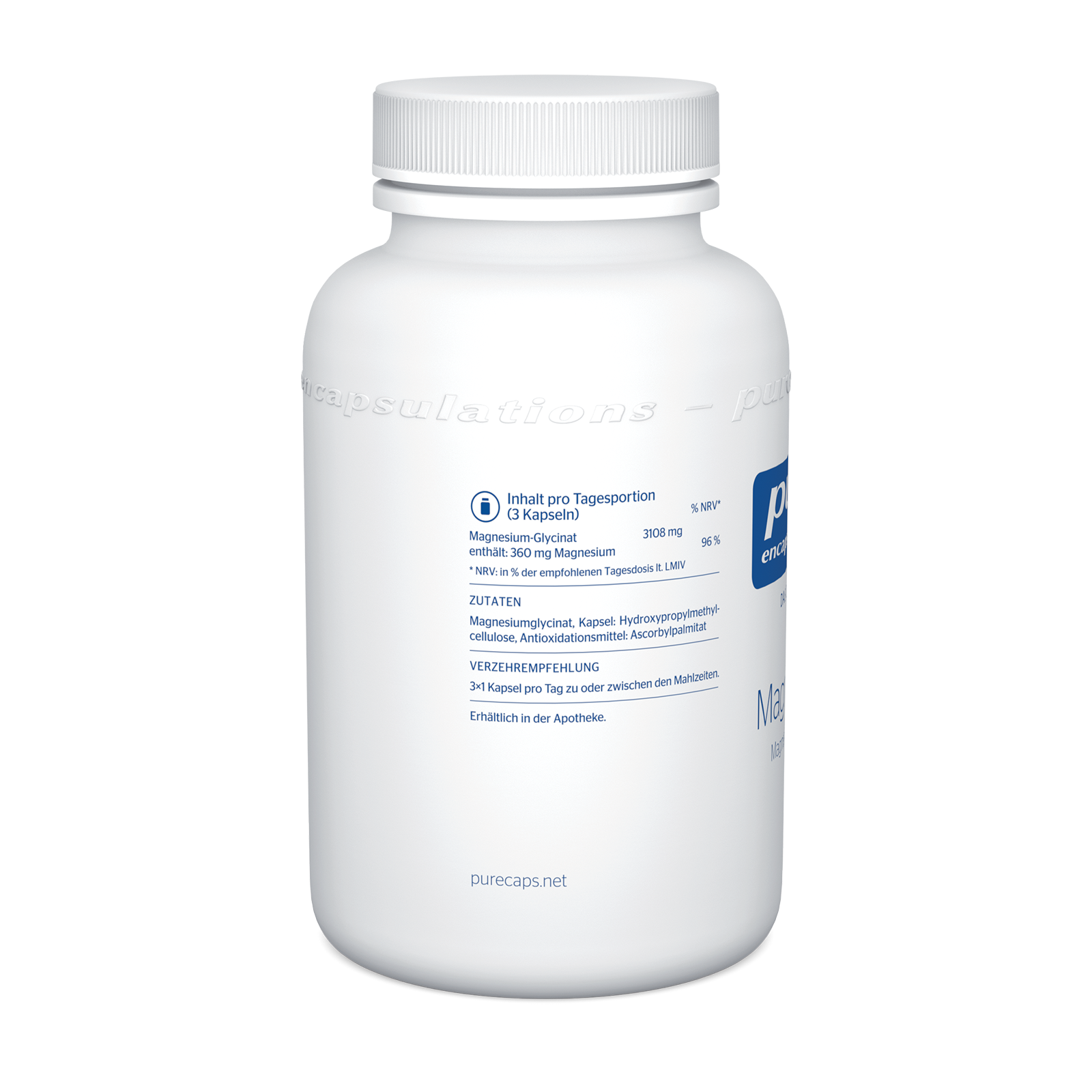
Do this: if standard testing hasn't flagged anything but you suspect you're running low, magnesium glycinate is worth discussing as a supplement. The NHS sets a safe upper limit of 400mg a day for supplemental magnesium specifically, on top of whatever you get from food, so that's the ceiling to work within rather than a target to aim for.
Why: "Most people are deficient in magnesium, but the standard GP test is not great at assessing the levels, so it might be worth supplementing to support thyroid hormone conversion but also sleep and nervous system," McCabe says, naming glycinate as her preferred form.

5. Get enough omega-3
Do this: aim for oily fish two to three times a week, or supplement if that's not realistic for you. If you do choose an omega 3 supplement, check the label for actual EPA and DHA content rather than total fish oil weight, since that's what determines the effective dose, a 1000mg fish oil capsule can still contain very little of either.
Why: omega-3 has anti-inflammatory properties relevant to thyroid health, and McCabe considers it worth supplementing specifically when fish intake falls short of that benchmark.


6. Be careful with selenium dosing
Do this: get selenium through your diet and speak to a practitioner before adding a higher-dose supplement, particularly if you already have a thyroid condition.
Why: "I would always recommend supplementing either through a capsule, liquid form, or Brazil nuts," McCabe says. "Selenium can be helpful for both Hashimoto's and Graves', reducing antibodies and improving thyroid function overall." A 2024 meta-analysis of randomised controlled trials found that selenium supplementation reduced thyroid peroxidase antibodies in people with Hashimoto's thyroiditis, although changes in thyroid hormones themselves weren't significant. The researchers concluded that further studies are needed to understand the clinical significance of that antibody reduction.
Brazil nuts are another dietary source, but selenium content varies considerably between nuts, making the amount difficult to judge precisely. "The selenium content might vary, so aim for two to four per day," McCabe says. Going over roughly 400mcg a day risks toxicity, so more isn't the goal.
7. Don't self-supplement iodine without knowing your thyroid status
Do this: get dietary iodine from food, seafood, eggs, and fermented dairy, rather than adding a standalone supplement unless a practitioner has specifically recommended one.
Why: iodine is essential for making thyroid hormone, but the direction of harm depends entirely on which condition you actually have. "Contraindicated in hyperthyroidism, as it will likely aggravate the overproduction of thyroid hormones," McCabe says. "Also not a good idea in higher doses in most hypo cases, as Hashimoto's also can be fuelled by excessive iodine intake." For people regularly eating iodine-rich foods, diet may provide enough. "Including some iodine-rich foods like seafood, eggs, and fermented dairy is usually enough to cover it," McCabe says.
8. Treat chronic stress and poor sleep as things that distort thyroid results, not things to fix "for" your thyroid
Do this: prioritise sleep and stress management for their own sake, and don't assume a stressful period alone means your thyroid has stopped working.
Why: "In situations of significant illness, undernutrition, or physiological stress, thyroid hormone levels can change as part of an adaptive response known scientifically as non-thyroidal illness," Dr. Mukherjee says. "This can make thyroid blood tests look abnormal even though the thyroid gland itself isn't the primary problem, it's effectively responding to a problem, rather than representing the cause."
Heavy training alongside inadequate recovery can create a similar physiological stress. It also cuts both ways with symptoms. Stress and poor sleep produce fatigue and low mood on their own, independent of the thyroid entirely, which is exactly why the two get confused so easily.
9. Get tested for coeliac disease before cutting out gluten, not after
Do this: if you suspect gluten might be a factor, ask about coeliac testing while you're still eating it, rather than removing it first.
Why: "Gluten contributes to gut inflammation and permeability which can fuel autoimmunity," McCabe says. Coeliac disease is more common in people with autoimmune thyroid disease, and the two can occur together. McCabe also sees benefits from removing gluten in some of her clients. "Most of my clients see tremendous benefits going gluten-free for a while, especially as part of a more holistic approach." The catch is that coeliac disease is usually diagnosed through testing while gluten is still in the diet, so removing it first can interfere with getting an accurate result later.
10. Cook your cruciferous vegetables, but don't avoid them
Do this: keep broccoli, kale, and other cruciferous vegetables in your diet. There's no need to routinely cook them for your thyroid, although cooking does reduce their goitrogenic compounds.
Why: these vegetables contain goitrogens, compounds that can interfere with iodine uptake in large, raw quantities, but McCabe is clear the fear has outpaced the evidence. "Cooking, steaming or boiling, deactivates goitrogens, which are the active compounds that can suppress the iodine uptake." Even with Hashimoto's specifically, it's a smaller concern than the reputation suggests. "It's not really an issue, even in the raw form, as the root cause of the condition is not iodine deficiency but autoimmune inflammation of the thyroid gland."
11. Skip the "thyroid support" supplement
Do this: if you're going to supplement, target a specific, confirmed gap rather than a formula stacking iodine, selenium, zinc, tyrosine, and kelp extract all at once.
Why: iodine and kelp-containing products in particular deserve caution given how easily excess iodine can aggravate an existing thyroid condition in either direction. A long ingredient list doesn't mean it does more for you, it means a higher chance of overshooting something you didn't actually need more of.
H2 // How do you know if your thyroid needs checking?
Thyroid symptoms are notoriously easy to misread, since almost every one of them shows up for other reasons too. The usual list includes:
- Fatigue
- Feeling unusually cold
- Weight changes
- Constipation
- Dry skin
- Low mood
- Changes in heart rate
None of these point to the thyroid exclusively. "There isn't one particular symptom pattern that reliably distinguishes hypothyroidism from everyday fatigue, stress, poor sleep, or under-fuelling," Dr. Mukherjee says. She's seen both ends of the mismatch in clinic. "I often see people with quite marked abnormalities in thyroid function who have relatively few symptoms. I've also seen people with severe symptoms that closely mimic thyroid disease but have completely normal thyroid tests." Her conclusion is plain. "Thyroid function needs to be assessed with appropriate blood tests rather than diagnosing thyroid disease from symptoms alone."
Which thyroid markers should you actually test?
TSH: the sensible starting point for suspected hypothyroidism.
Free T4: checked next if TSH comes back abnormal, to clarify how significant the change actually is.
Thyroid antibodies: "can provide useful information when autoimmune thyroid disease is suspected," Dr. Mukherjee says. "They can also be helpful in particular clinical situations, including pregnancy and fertility-related assessment."
T3: a narrower role than people often assume. "T3 is not usually needed to diagnose hypothyroidism. It is more useful when assessing possible hyperthyroidism, particularly when TSH is low."
What to skip: reverse T3 and deiodinase activity tests are promoted online but don't currently have the evidence to back a role in routine care. "At present, clinical evidence is poor or lacking, and so they do not have an established role in routine clinical practice. They aren't recommended by experts for diagnosing or managing hypothyroidism."
If you're already being treated and still have symptoms, more tests aren't automatically the answer. "We first need to check whether the diagnosis is correct, whether the treatment and dosing is appropriate, and whether there are other explanations for the symptoms." Her wider point applies across the board. "More thyroid tests don't necessarily mean better thyroid care. The value of a test depends on the clinical question you're trying to answer."
Healf Bloods checks all four, TSH, free T4, free T3, and thyroid antibodies, in one at-home panel, alongside the iron, vitamin D, and B12 markers covered earlier.
Where this all fits together
What you eat, how much you sleep, how you handle stress, and whether you're training harder than you're recovering can all influence wider health in ways that intersect with thyroid function. None of it replaces a diagnosis or treatment when one is needed, but these are useful foundations to get right before reaching for anything more complicated.
Underactive Thyroid Diet: your questions answered
Can you improve thyroid function naturally?
Nutrition, sleep, stress management, and adequate energy intake all help normal thyroid function, but they can't reliably prevent or reverse an established thyroid disorder such as Hashimoto's disease.
Should you take iodine for thyroid health?
Iodine is essential for making thyroid hormones, but more isn't necessarily better. Many people can get enough through iodine-rich foods such as seafood, eggs, and dairy. High-dose iodine supplements can aggravate existing thyroid conditions, so speak to a healthcare professional before supplementing if you have a diagnosed thyroid disorder.
Is selenium good for your thyroid?
Selenium is essential for normal thyroid function, but more isn't necessarily better. Some research suggests supplementation can reduce thyroid antibodies in people with Hashimoto's, although it's less clear whether this translates into meaningful improvements in thyroid function or symptoms.
Do Brazil nuts help thyroid function?
Brazil nuts are naturally rich in selenium, although the amount varies considerably between nuts. That makes them a useful dietary source, but a poor way to calculate a precise selenium dose.
Can eating too little affect thyroid hormones?
Very-low-calorie diets, including very-low-calorie ketogenic diets, can reduce T3 levels. That doesn't mean every low-carb diet affects thyroid function in the same way, so the degree of energy and carbohydrate restriction is important.
Should you avoid gluten with hypothyroidism?
Not routinely. Coeliac disease is more common in people with autoimmune thyroid disease, so testing may be appropriate in some cases. It's important to keep eating gluten until coeliac testing is complete, as removing it beforehand can affect the accuracy of the results.
Are broccoli and kale bad for your thyroid?
Not at typical intakes. Cooking reduces the compounds that can affect iodine uptake, and even raw, moderate amounts are unlikely to be a meaningful concern for most people.
Which thyroid markers should you test?
TSH is the usual starting point, with free T4 added if TSH is abnormal. Thyroid antibodies are useful when autoimmune disease is suspected, and T3 is more relevant to hyperthyroidism than an underactive thyroid.



This article is for informational purposes only, even if and regardless of whether it features the advice of physicians and medical practitioners. This article is not, nor is it intended to be, a substitute for professional medical advice, diagnosis, or treatment and should never be relied upon for specific medical advice. The views expressed in this article are the views of the expert and do not necessarily represent the views of Healf
Samantha Nice is a seasoned wellness writer with over a decade of experience crafting content for a diverse range of global brands. A passionate advocate for holistic wellbeing, she brings a particular focus to supplements, women’s health, strength training, and running. Samantha is a proud member of the Healf editorial team, where she merges her love for storytelling with industry insights and science-backed evidence.
An avid WHOOP wearer, keen runner (with a sub 1:30 half marathon) hot yoga enthusiast and regular gym goer, Samantha lives and breathes the wellness lifestyle she writes about. With a solid black book of trusted contacts (including some of the industry’s leading experts) she’s committed to creating accessible, well-informed content that empowers and inspires Healf readers.